
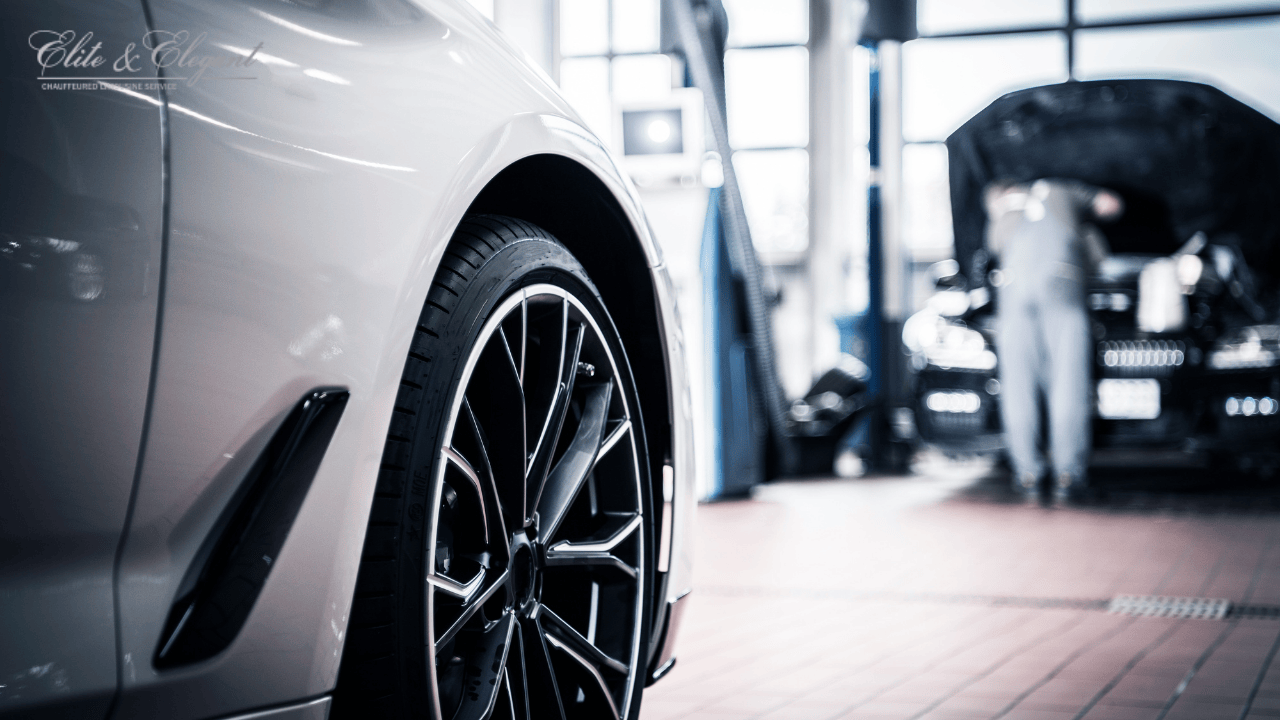
Car servicing typically takes 1 to 3 hours, depending on the type of service—basic, interim, or full. Complex repairs may take longer. Booking early and confirming scope helps plan your day efficiently.
Key Takeaways:
- Basic service: ~1 hour
- Full service: 2–3 hours
- Major repairs: May require a full day or more
- Schedule early to minimize wait times
- Confirm service scope in advance
Ever found yourself juggling errands and appointments, only to wonder, how long does it take to service a car? You’re not alone. Whether you’re squeezing it in on a lunch break or planning your entire morning around it, knowing what to expect can make all the difference. From quick oil changes to full inspections, service time varies—but with the right knowledge, you can plan your day smartly and avoid unexpected delays. In this blog, we’ll break down typical service durations so you can stay one step ahead.
Understanding the Different Types of Car Services
Before discussing time frames, it’s important to know the types of car services, as they determine how long your vehicle will be in the shop.
1. Interim Service (Minor Service)
An interim or minor service is typically performed every 6 months or 6,000 miles.
What’s Included:
- Oil and oil filter replacement
- Fluid level checks (coolant, brake, power steering, windshield washer)
- Tire pressure inspection and correction
- Brake inspection
- Light and horn checks
Estimated Time: 1 to 2 hours
This is ideal for drivers who clock high mileage and need basic preventive maintenance in between full services.
2. Full Service (Major Service)
A full car service is recommended every 12 months or 12,000 miles and is far more comprehensive.
What’s Included:
- All interim service items
- Air filter replacement
- Cabin/pollen filter replacement
- Spark plugs and fuel filter check (if applicable)
- Suspension system inspection
- Battery health check
- Steering alignment and checks
- Comprehensive brake and exhaust system inspection
Estimated Time: 2.5 to 4 hours
This service is essential for keeping your car running efficiently and preventing major breakdowns.
3. Manufacturer Service
A manufacturer service adheres to the exact specifications set by the carmaker and varies per vehicle model and year.
What’s Included:
- All items outlined in the car’s official service schedule
- May involve advanced diagnostics or software updates
- Parts specific to brand (e.g., timing belt, transmission fluid, specialized filters)
Estimated Time: 3 to 5+ hours (depending on complexity)
This service ensures warranty compliance and optimal vehicle condition.
Factors That Affect Car Service Duration

Several elements influence how long a service will take. Here’s what can add or subtract from the standard time estimates:
1. Vehicle Age and Condition
Older vehicles often have more wear and tear, leading to a need for detailed inspections and potential part replacements. Rust, degraded components, or outdated systems may increase service time. Conversely, well-maintained newer cars typically require less work, making the servicing process quicker and more straightforward for technicians.
2. Type of Engine
Different engines demand varying service routines. Electric vehicles (EVs) have fewer mechanical parts, so they’re usually quicker to inspect. Diesel engines require more attention to filters and emissions systems, which can extend service times. Hybrid cars combine both engine types, often needing specialized diagnostics and servicing, which can add time.
3. Dealership vs. Independent Garage
Dealerships often take longer due to higher customer volume and brand-specific diagnostic procedures. However, they use original manufacturer parts and follow strict service protocols. Independent garages are generally quicker, offering more flexible scheduling and faster turnaround, though they may not have immediate access to brand-specific tools or parts.
4. Parts Availability
Servicing time can be delayed if replacement parts aren’t immediately in stock. Waiting for delivery or sourcing specialized parts—especially for rare or imported vehicles—can add hours or even days to the timeline. Garages with a well-stocked inventory typically offer faster service compared to those relying on external suppliers.
5. Diagnostic Trouble Codes (DTCs)
If onboard diagnostics detect fault codes, technicians must investigate the root causes before proceeding. This troubleshooting phase involves testing and possibly repairing additional systems, which can significantly extend the service duration. Even during routine maintenance, addressing DTCs ensures safe, reliable operation but requires extra time and attention.
Breakdown of a Typical Car Service Appointment
Knowing how a typical appointment unfolds will help you better estimate your time:
Drop-Off & Initial Assessment
- 15–30 minutes: The technician records mileage, inspects visible issues, and logs service requests.
Main Service Work
- 60–180+ minutes: Depending on the service type, this is the core work involving fluid changes, inspections, filter replacements, and diagnostics.
Test Drive & Final Checks
- 15–30 minutes: A short drive ensures everything works as expected. Final paperwork and cleaning may also be performed.
Total Time:
- Minor Service: ~1–2 hours
- Full Service: ~2.5–4 hours
- Manufacturer Service: ~3–5+ hours
Should You Wait or Drop Off Your Car?
Deciding whether to wait or drop off your car depends on the service duration and your availability. If the job takes less than two hours—like an oil change or tire rotation—waiting makes sense, especially since many service centers offer comfortable lounges, Wi-Fi, and refreshments. This option is ideal if you want to stay close and use the waiting time productively.
For longer services or when parts need to be ordered, dropping off your vehicle is more practical. Many shops provide shuttle rides, courtesy cars, or pickup and delivery services. Wondering how much is a car service? It typically ranges from $100 to $400, depending on the vehicle, service type, and location.
Tips for Planning Your Day Around a Car Service

- Book Early in the Day: Morning appointments increase the chance of same-day completion and allow time for any unexpected fixes.
- Ask for a Time Estimate: When booking, ask the garage for an estimated finish time based on your vehicle and selected service.
- Combine Tasks: If waiting, bring work, a book, or errands that can be done nearby.
- Consider Midweek Appointments: Garages tend to be less busy on Tuesdays and Wednesdays.
- Ask About Notifications: Many service centers now provide text or app updates, so you’re notified the moment your car is ready.
What If Additional Repairs Are Needed?
It’s common for technicians to find issues during a routine service. Reputable garages will contact you for approval before carrying out extra work.
Add-On Repairs May Include:
- Brake pad or rotor replacement
- Tire alignment or rotation
- Belt or hose replacement
- Battery replacement
- Engine diagnostics
Additional Time Required: Anywhere from 30 minutes to several hours, depending on the issue.
Can I Speed Up the Car Service Process?
Yes, by preparing in advance:
- Empty the trunk and clear clutter to ease technician access
- Provide service history records to avoid redundant checks
- Communicate clearly any concerns or symptoms you’ve noticed
- Confirm parts availability for anticipated replacements
Why Regular Servicing Is Worth the Time
Though car servicing may seem like a time-consuming inconvenience, its long-term benefits are substantial:
- Improved fuel efficiency
- Better resale value
- Reduced risk of breakdowns
- Extended vehicle lifespan
- Compliance with warranty and safety regulations
A few hours of service could save you days of headache from a major failure or costly emergency repair down the road.
Final Thoughts: Plan Wisely, Drive Confidently
Understanding how long a car service takes empowers you to plan your day without added stress or delays. Whether it’s a minor checkup or a full-scale manufacturer service, knowing the time commitment helps you make smarter choices—like whether to wait or arrange alternate transport. When you stay informed and proactive, you protect your vehicle’s performance and your own schedule.
And when you need a ride while your vehicle’s in the shop, trust Elite & Elegant Car Service San Francisco for timely, luxurious transport options. Smart planning starts with knowing your options.